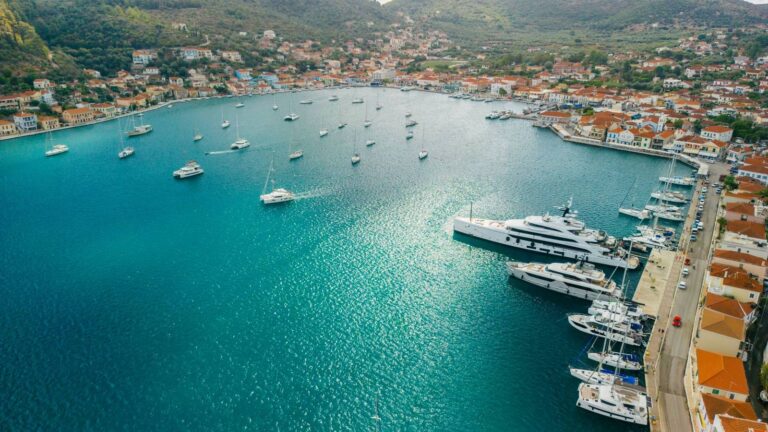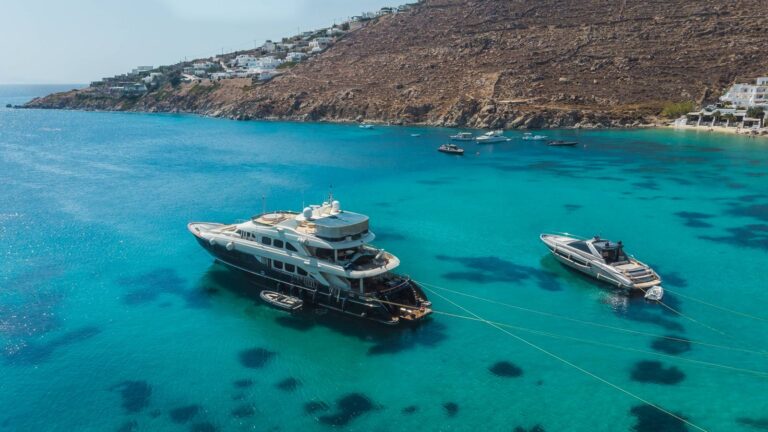
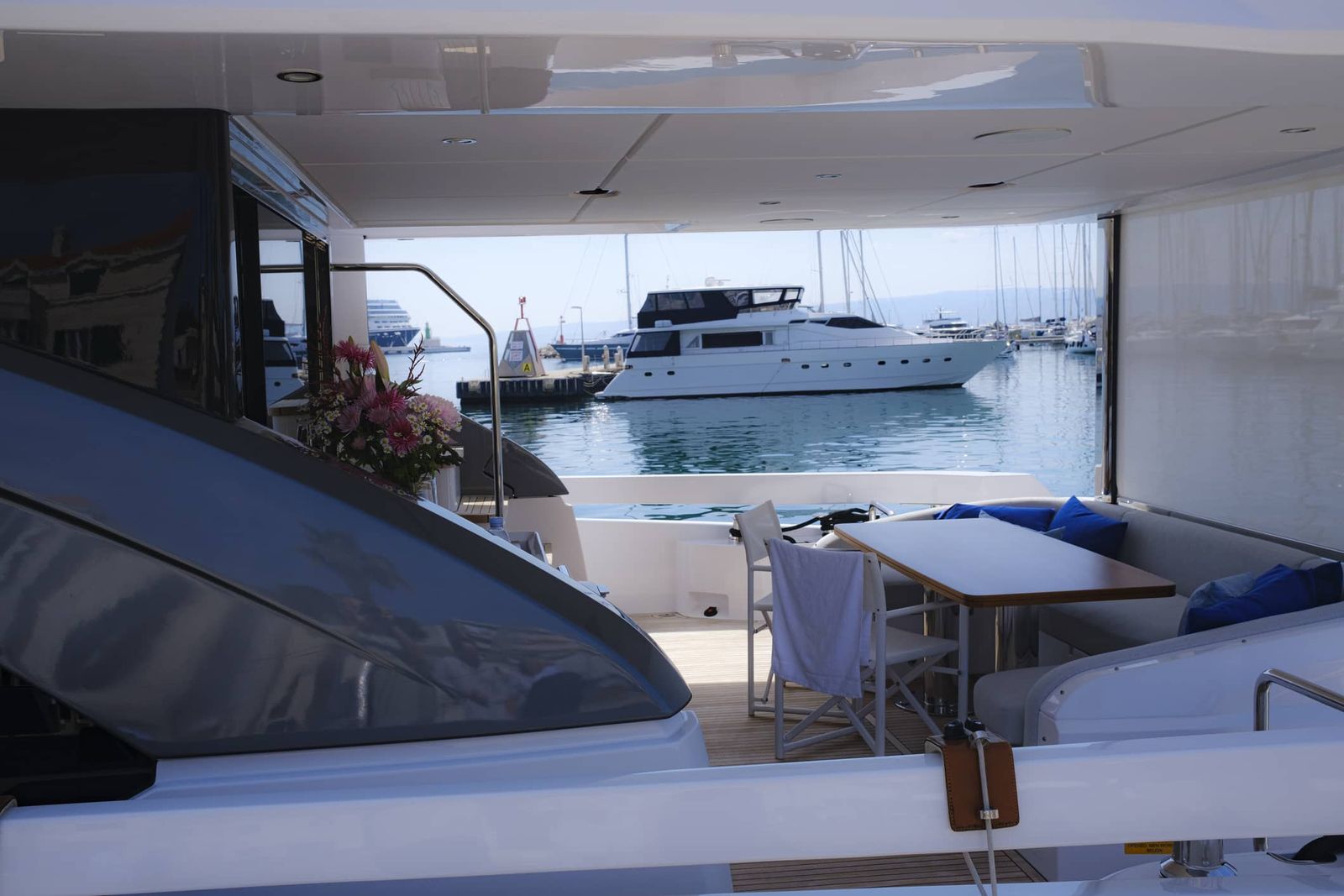
Sailing Holidays in Greece: Flotilla, Skippered or Bareboat?
A sailing holiday in Greece comes in five formats: bareboat, flotilla, skippered, fully crewed, or a sailing course. The right one depends on a single question: does anyone in your group hold a sailing qualification, and how much do they want to sail? Beginners usually do best on a flotilla or with a hired skipper in the Ionian; experienced crews can go bareboat almost anywhere; groups who just want sun and swimming should go crewed.
This guide compares the five types of sailing holiday in Greece, what each costs per person, which region suits which crew, and the mistakes first-timers make. It is part of our wider guide to yacht charter in Greece.
The five types of sailing holiday in Greece
| Who sails | Experience needed | Best for | |
|---|---|---|---|
| Bareboat | You | Recognised licence + second crew member | Experienced sailors who want full freedom |
| Flotilla | You, with a lead crew nearby | Basic skippering, usually Day Skipper or ICC level | Improvers, families, first Greek trip |
| Skippered | A professional skipper | None | Beginners and mixed groups |
| Crewed | Skipper plus hostess or cook | None | Relaxing holidays, larger groups |
| Sailing course | An instructor teaches you | None to start | Learning to sail while on holiday |
Bareboat sailing holidays
You rent the boat and sail it yourself. It is the cheapest and freest way to sail in Greece, but it is also the only format with paperwork: the skipper needs a recognised qualification such as the ICC, and a second named crew member is required. Our bareboat charter guide and licence requirements cover the details.
Flotilla sailing holidays
A flotilla is a group of 8–10 charter yachts that sail the same route for a week, each crewed by its own guests, with a lead boat carrying a skipper and an engineer. Every morning the lead crew gives a briefing on the day’s route and weather; every evening they help each boat moor in the next harbour. Daily legs are short, often around 10 nautical miles, and social evenings are part of the package.
Flotillas run mainly in the Ionian (Lefkas, Kefalonia, Corfu) and the Saronic Gulf, with some in the Sporades and the Dodecanese. Prices are usually quoted per boat. One UK operator’s Lefkas flotilla, for example, ranges from about £1,400 a week per yacht in low season to around £5,000 in the peak summer weeks, flights not included. Some operators also sell “informal” flotilla support (mooring help, weather updates and a helpline) as an add-on to a normal bareboat charter, for a few hundred pounds per boat per week.
A flotilla is still a bareboat charter in legal terms, so most operators want at least one person on board with Day Skipper or ICC-level skills. If nobody has that, many flotilla companies can put a skipper on your boat for the week.
Skippered sailing holidays
You charter the boat and hire a professional skipper to sail it, for roughly €180–€250 a day plus their food. The skipper handles navigation, mooring and the weather calls; you can help sail as much or as little as you like. It is the best format for complete beginners who want a private boat, and the one most crews choose for the Cyclades in high summer.
Crewed sailing holidays
A crewed yacht or catamaran comes with a skipper and a hostess or cook. Meals are prepared on board and an Advance Provisioning Allowance (APA), usually 25–35% of the charter fee, covers food, fuel and moorings. It costs more on paper, but our bareboat vs crewed comparison shows the real all-in gap is often under 15%.
Learn-to-sail holidays
Several sailing schools in Greece run RYA and similar courses during the season, from a first Competent Crew week to Day Skipper. You live aboard with an instructor and come home with a certificate, which is the first step towards your own bareboat charter.
How much does a sailing holiday in Greece cost per person?
Charter prices are quoted per boat, so the cost per person depends on how many of you share it. These are typical weekly figures, before flights.
| Typical boat | Cost per person, per week | |
|---|---|---|
| Bareboat, shared by 6 | 45 ft monohull | €400–€700 including food and extras |
| Flotilla, shared by 4–6 | 36–46 ft monohull | Similar to bareboat, plus the flotilla supplement |
| Skippered, shared by 6 | 45 ft monohull | Add €210–€290 per person for the skipper |
| Crewed catamaran, 8 guests | Lagoon 50 | About €2,500–€2,600 all-in |
The crewed figure comes from our worked example on a Lagoon 50: about €20,600 all-in for the week, or roughly €735 per couple per day. Full price ranges by boat and season are on our Greece yacht charter cost page.
Where to go: the best regions for a sailing holiday in Greece
- Ionian Sea: the gentlest sailing in Greece and the home of most flotillas. Short hops, a steady afternoon breeze and a taverna at almost every stop. The best choice for beginners and families.
- Saronic Gulf: starts about 40 minutes from Athens airport, with short legs to Aegina, Poros, Hydra and Spetses. Busy in August, ideal for a first week in June or September.
- Cyclades: Mykonos, Paros and Naxos, Santorini and the Small Cyclades. Spectacular, but exposed to the meltemi; best for experienced crews or with a skipper. See our 7-day Cyclades sailing itinerary.
- Dodecanese: Kos, Rhodes and the islands near the Turkish coast. A good second or third Greek sailing holiday.
Sailing holidays in Greece for beginners
If this is your first time on a sailing boat, three choices make the week far easier:
- Pick the Ionian or the Saronic. Both are sheltered from the strongest summer wind and have short distances between harbours.
- Go in June or September. The water is warm, prices are lower and the wind is gentler than in July and August. Our guide to the best time to charter a yacht in Greece explains the month-by-month differences.
- Choose a flotilla or a skipper. Either way, someone experienced handles the harbour manoeuvres that worry most first-timers.
Sailing holidays in Greece for families and groups
Families usually prefer a catamaran: no heeling, flat decks for children, and four en-suite cabins. A 40–46 ft cat in the Ionian is the classic family sailing holiday in Greece. Larger groups of friends often split one or two boats in a flotilla, or book a crewed catamaran so nobody has to cook. Our catamaran charter guide and catamaran vs monohull comparison help you choose the boat.
Planning tips for your Greek sailing holiday
- Book early for summer: by January or February for July and August, three to four months ahead for June and September.
- Fly to the right airport: Preveza for Lefkas, Corfu for the northern Ionian, Athens for the Saronic and the Cyclades. Our guide to charter bases compares them.
- Pack soft bags: hard suitcases do not fit in a boat’s lockers.
- Plan a flexible route: two or three possible harbours each day beat a fixed plan, especially when the wind picks up.
Frequently asked questions
What is the best sailing holiday in Greece for beginners?
A flotilla or a skippered charter in the Ionian Sea, in June or September. The Ionian has the calmest, most predictable wind in Greece, short distances between harbours, and on a flotilla a lead crew helps with every mooring.
Do you need experience for a flotilla holiday in Greece?
Usually yes: most operators want at least one person aboard with Day Skipper or ICC-level skills, because each boat is sailed by its own crew. If nobody has that, many flotilla companies can add a skipper to your boat.
How much does a sailing holiday in Greece cost per person?
Shared by six people, a bareboat or flotilla week typically costs €400–€700 per person including food, before flights. A crewed catamaran for eight guests costs around €2,500 per person all-in.
When is the best time for a sailing holiday in Greece?
June and September are the best months for most crews: warm water, lighter wind than July and August, and lower prices. The Ionian stays comfortable from May to October.
Can you go on a sailing holiday in Greece without a licence?
Yes. Skippered and crewed charters need no qualification at all, and sailing schools run courses for complete beginners. A licence is only required if you sail a bareboat yourself.